How much do Disney characters get paid? The answer depends on the park and the performer’s assignment. As of July 24, 2026, a current Disneyland Resort audition lists $26 per hour for character performers, plus a $4.75-per-hour premium for hours worked onstage as a Character Look-Alike. Walt Disney World does not currently publish an exact character-performer base rate in its public audition information, but its union wage schedule places the 2026 resort minimum at approximately $19 to $19.50 per hour before the next increase in October. A character performer’s actual rate may be higher.
Pay figures last verified July 24, 2026. Disney can change rates, premiums and hiring needs, so always read the current audition notice before applying.
How Much Do Disney Characters Get Paid at the Parks?
The most reliable public numbers I found are not one companywide “Disney character salary.” Pay is set by location, union agreement, job classification and the type of shift being worked.
| Disney park | Current publicly verified pay | What the number means |
|---|---|---|
| Disneyland Resort | $26 per hour | Rate in a current character-performer audition. Onstage Character Look-Alike shifts add a $4.75-per-hour premium, bringing those specific hours to $30.75. |
| Walt Disney World | At least about $19–$19.50 per hour | Current union wage floor, not a published character-performer rate. The exact performer classification may pay more. |
| Disneyland Paris | No current public rate in Disney’s 2026 notice | A 2025 casting listing advertised €1,800–€2,000 per month, but applicants should verify the current contract. |
The Disneyland figure is an exact rate from a live casting notice. The Walt Disney World number needs more explanation because it is a resort wage floor, not a promise that every character performer receives that exact amount.

How Much Do Disney World Characters Get Paid?
Walt Disney World’s current public character-audition information does not state one exact hourly rate. The best documented baseline is the resort’s union wage agreement, which covers costumed performers along with many other front-line cast members.
For July 2026, that agreement puts the general wage floor at approximately:
- $19 per hour for workers on the newer-hire minimum schedule
- $19.50 per hour or more for many current workers who received the contract’s 2024 and 2025 increases
- $20 to $20.50 per hour beginning in October 2026, depending on the worker’s contract schedule
The ratified Walt Disney World union agreement describes the scheduled increases. Because Disney has not posted a current role-specific rate, I would not present $19 or $19.50 as the exact amount paid to every Mickey Mouse, princess or costumed performer. It is a defensible floor; the actual classification, seniority and premiums can raise the rate.

How Much Do Disneyland Characters Make?
A current Disneyland Resort casting notice on the official Disney Auditions website lists character-performer pay at $26 per hour.
The same notice says Character Look-Alikes can earn an additional $4.75 per hour for hours worked onstage as a Look-Alike. That makes the rate $30.75 per hour during those qualifying shifts.
That premium does not mean a performer receives $30.75 for every scheduled hour. Disney states that it applies to Look-Alike character shifts. A performer may also work fully costumed character assignments, rehearsals or other entertainment duties paid under different terms.
How Much Do Disney Actors and Character Performers Make?
People often search for “Disney actors,” but Disney generally uses titles such as Character Performer, Character Look-Alike and fully costumed, sculpted Disney Character for theme-park roles. These jobs are separate from film, television, voice-acting and Broadway contracts.
Face Characters vs. Fully Costumed Characters
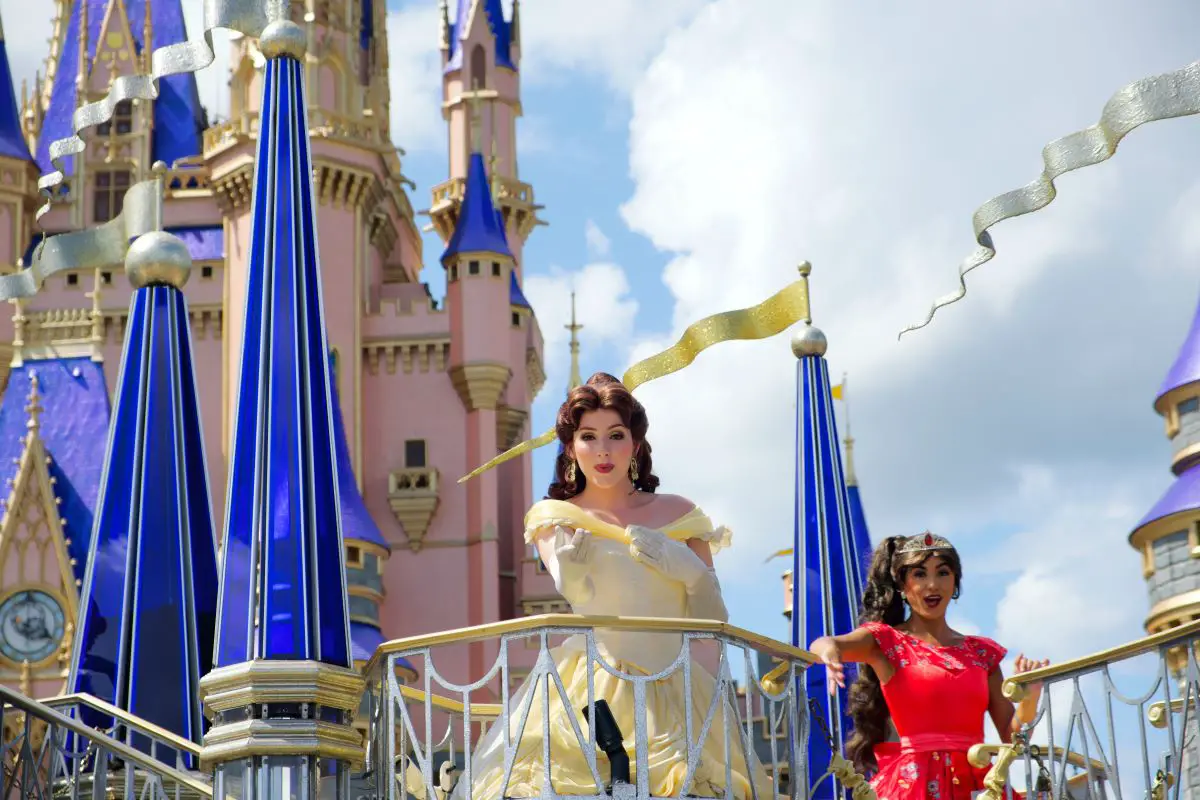
“Face character” is the common name for a performer whose face is visible, such as a princess. Disney’s current official term is Character Look-Alike. “Fur character” is informal language for a performer in a complete costume and headpiece.
It is not accurate to say that every face character at every Disney park automatically starts at a higher rate. Disneyland currently confirms a $4.75 premium for qualifying Look-Alike shifts. I could not verify one universal face-character premium for Walt Disney World from its current public audition information.
Disney also explains that performers selected for Character Look-Alike roles may perform as fully costumed characters. The same cast member can therefore work different types of assignments.

How Much Do Disney Mascots and Costume Characters Get Paid?
Disney does not generally call its park characters “mascots.” The official description is a fully costumed, sculpted Disney Character, but the pay answer is the same: the performer is paid according to the park’s character-performer classification and the shift being worked.
At Disneyland, the current public character-performer rate is $26 per hour. At Walt Disney World, the current public information supports a resort wage floor of about $19 to $19.50 per hour, while the exact character-performer rate may be higher.
A complete character costume can be physically demanding. Performers communicate without facial expressions, work with limited vision, pose repeatedly and may perform indoors or outdoors. My guide to how long Disney characters stay in costume explains how breaks and sets shape the workday.

How Much Does Mickey Mouse Make at Disney World?
Disney does not publish a separate Mickey Mouse salary. The performer portraying Mickey is paid under the applicable Walt Disney World character-performer classification, union agreement and shift rules.
That means Mickey does not automatically earn more simply because the character is famous. The same principle applies to Minnie Mouse, Goofy, Pluto and other fully costumed characters. Pay can change with the assignment or premium, but Disney does not maintain a public character-by-character salary chart.

Disney Character Salary: Monthly and Annual Estimates
Hourly pay does not tell you what a Disney character performer will actually make in a month or year. Scheduled hours matter just as much as the rate.
| Rate used for estimate | 20 hours a week | 30 hours a week | 40 hours a week |
|---|---|---|---|
| Walt Disney World floor: $19/hour | $1,647/month $19,760/year | $2,470/month $29,640/year | $3,293/month $39,520/year |
| Disneyland performer: $26/hour | $2,253/month $27,040/year | $3,380/month $40,560/year | $4,507/month $54,080/year |
The $30.75 Disneyland Look-Alike rate is not included in the table because the $4.75 premium applies only to qualifying onstage Look-Alike hours. Calculating an entire year at that rate would overstate earnings for most performers.
What Affects a Character Performer’s Pay?
The character itself is only one part of the equation. The biggest pay factors are:
- Park and country: Disneyland, Walt Disney World and Disneyland Paris operate under different labor markets and contracts.
- Job classification: Character performers, parade performers, dancers, actors and specialty entertainment roles may use different pay scales.
- Shift premium: Disneyland currently adds $4.75 per hour to qualifying Character Look-Alike shifts.
- Seniority and contract steps: Longer-serving cast members may be above the starting rate.
- Scheduled hours: A higher hourly rate can still produce modest annual earnings if the role provides limited or seasonal hours.
- Specialty assignments: Shows, parades, puppetry, stunts, lead work or training can have separate terms when specified by the contract.
Height and costume measurements affect which roles a performer can fill, but fitting a certain character does not automatically create a higher pay rate. My updated guide to Disney character height requirements explains how current casting ranges work.
Is Disney Character Pay Enough to Live On?
The hourly rate can look reasonable, especially at Disneyland, but the number of scheduled hours determines whether the job produces full-time income. At $26 per hour, a steady 40-hour schedule would equal about $54,080 a year before taxes. A 20-hour schedule at the same rate would equal about $27,040.
Benefits also depend on eligibility and employment status. Disney’s current benefits information says employees are paid weekly and that full-time positions may include health insurance and paid time off. Complimentary park admission is available to full-time and part-time employees after two weeks, retirement programs may be available to both, and eligible hourly cast members may have access to Disney Aspire tuition assistance.
I would evaluate an offer using the guaranteed or typical weekly hours, not the hourly rate alone. Ask what status the role carries, whether hours fluctuate, which premiums apply and which benefits you would actually qualify for.
How Much Do Disneyland Paris Characters Get Paid?
Disneyland Paris is currently holding character and parade-performer auditions, but the public 2026 Disney notice I found does not list a salary.
A 2025 casting roundup from Backstage advertised Disneyland Paris character and parade roles at €1,800 to €2,000 per month. That is useful context, but it should not be treated as a guaranteed 2026 rate. Contract length, weekly hours and the specific production can change.
For a current answer, open the Disneyland Paris audition listing and review the written offer before comparing it with the U.S. hourly rates.
What’s the Disney Character Audition Process Like?
Disney’s current College Program guidance says character-performer candidates may be asked to learn a short movement combination, perform in small groups and complete an animation exercise similar to charades. Measurements such as height, waist and head circumference may also be taken.
Candidates being considered for Character Look-Alike roles may complete an individual reading and have a photo taken. Disney says previous performance experience is not required for that particular College Program audition, although other professional or specialty auditions may have different expectations.
- Read the complete audition notice for the resort and role.
- Confirm the listed height, availability and work-authorization requirements.
- Wear comfortable clothing and shoes suitable for movement.
- Keep your Disney Auditions profile, photos and résumé current when requested.
- Verify the pay rate, premium rules, status and expected hours in the offer.

Frequently Asked Questions
How Much Do Disney Princesses Make?
At Disneyland, the current character-performer rate is $26 per hour, and qualifying onstage Character Look-Alike hours receive a $4.75 premium. Walt Disney World does not currently publish a universal princess rate. See my full guide to how much Disney princesses make for the role-specific explanation.
Do Disney Face Characters Get Paid More Than Fur Characters?
Sometimes, but it is not a universal rule. Disneyland currently confirms a $4.75-per-hour premium for onstage Character Look-Alike shifts. Walt Disney World’s current public information does not confirm one standard face-character premium for every performer.
How Much Do Disney Characters Get Paid Per Month?
At 30 hours a week, $19 per hour averages about $2,470 gross per month, while Disneyland’s current $26 rate averages about $3,380 gross per month. Actual monthly pay changes with scheduling, premiums, overtime and unpaid time.
Are Disney Character Performers Full-Time?
Some roles may be full-time, while others are part-time, seasonal, program-based or offered for a particular production. The audition notice and written offer should state the employment status and availability requirements.
Do Disney Characters Talk?
Character Look-Alikes can speak and interact in character, while fully costumed performers generally communicate through gestures and body language. I explain the exceptions in my guide to why Disney characters don’t talk.
Key Points About Disney Character Pay
- Disneyland currently lists $26 per hour for character performers.
- Disneyland Character Look-Alike shifts add $4.75 per hour for qualifying onstage hours.
- Walt Disney World does not currently publish one exact character-performer rate; its 2026 union wage floor is about $19 to $19.50 before the October increase.
- Mickey Mouse, princesses and fully costumed characters do not each have a public standalone salary.
- Weekly hours can affect annual earnings more than a small difference in the hourly rate.
If you are considering the job, use the live audition notice and written offer as the final authority. For a broader look at the roles guests see in the parks, visit my main Disney characters guide.