Disney World planning gets much easier when you break it into a simple order: pick your dates, set your budget, choose where to stay, buy the right tickets, decide how you want to handle Lightning Lane, and only then start filling in dining and park priorities.
That is honestly the biggest shift I’ve learned from visiting Walt Disney World more than once. The people who have the smoothest trips are usually not the ones doing the most complicated spreadsheets.
They are the ones who make the big decisions early and leave just enough breathing room for the reality of long park days, weather, and tired feet.

The biggest mistake I see is people trying to plan Disney World like it is one giant checklist. It never feels that tidy once you are there. You are dealing with heat, walking, transportation, lines, and the fact that everyone in your group usually has a slightly different idea of what a great day looks like.
What has helped me most is keeping the trip personal. I try to figure out early whether this is a trip where I want to chase big rides, slow down and enjoy the atmosphere, or mix in midday breaks so I do not hit a wall by dinner. Disney gets a lot more enjoyable when the plan matches your energy instead of some imaginary perfect itinerary.
Disney World planning starts with your dates and your trip style
Before I think about restaurants or Lightning Lane, I try to picture what the trip will actually feel like from morning to night.

That has become a lot more useful to me than just asking which month is cheapest or which park has the most rides. A Disney trip can feel exciting and smooth, or rushed and exhausting, depending on the dates you pick.
I have learned that crowd level changes everything.
It changes how early I want to wake up, how much patience I need, how much value I get from paid line-skipping, and even whether I feel like staying for fireworks. A packed day at Magic Kingdom feels very different from a more manageable day where you can stop, look around, and not feel like you are being carried by the crowd.
Pick dates based on the experience you want
If I want lower stress, I try to avoid the times when the parks feel stuffed from late morning on. If I know I am going during a busier period, I go in expecting to be more strategic. That usually means getting to the park earlier, keeping dining simple, and not pretending I can wing it all day.
That is why I like checking the best times to visit Disney World, along with more specific seasonal reads like whether Disney World is crowded in February or busy in April.
Decide what kind of trip this really is
This sounds obvious, but it saves so many bad decisions. If I am going for a short trip and mainly care about rides, I build around early starts and convenience. If I want a more relaxed family vacation, I care more about the hotel, the pool, easy meals, and not packing too much into each day.
I have found that trouble usually starts when people plan a rope-drop-to-fireworks trip and also imagine long sit-down meals, pool breaks, shopping, and a perfectly happy group the whole time. Disney rarely works that way. I would rather be honest from the beginning about the pace I want.
That is also when I start looking at Disney World hotels and more specific resort comparisons like how to choose a Disney World resort, best Disney World value resorts, and monorail resorts at Disney World.
Set your budget before you book anything
I think this is the most underrated part of planning.
Disney gets stressful fast when you book the room you want first and only later realize the tickets, food, and extras are more than you expected. I always prefer to set a rough spending ceiling before I fall in love with a resort or start imagining add-ons.
In my experience, the biggest budget categories are usually hotel, tickets, food, transportation, and then the optional extras that quietly add up, like Lightning Lane, Memory Maker, special events, and souvenirs.
Start with tickets and hotel because those drive the whole trip
Your ticket setup changes the shape of the vacation. A simpler one-park-per-day plan usually keeps both cost and logistics more manageable. Park Hopper can be worth it, but I only like paying for it when I know I’ll actually use the flexibility instead of just liking the idea of it.

For that reason, I would price out your trip starting with Disney World tickets, then compare ticket prices, what are the ticket tiers, and whether park hopper is worth it. If your dates are flexible, it is also smart to check the Disney World ticket price calendar and the cheapest days to go to Disney World.
Leave room for food and convenience spending
This is where budgets get sneaky. A quick-service lunch, a coffee, a snack, and one table-service dinner can turn into a much bigger daily total than people expect, especially with a family. I’ve found it helps to estimate food before the trip so there are fewer surprises once you’re inside the parks.
You can get a much better sense of that by looking at how much food is and the dining plan worth it question before deciding how structured you want meals to be.
Watch for special offers, but do not build your entire plan around them
Disney does run official promotions, and as of March 2026 the official site is showing select offers such as a free dining plan on certain 2026 room-and-ticket packages for specific travel windows, plus a 4-day, 4-park ticket offer and late summer room discounts. I think offers are great when they fit the trip you already wanted, but I would not force your dates into a promotion that makes the rest of the vacation worse.
It is still worth checking Disney World hotel and ticket specials, deals on Disney World hotels, and even broader savings angles like how to get a discount on Disney World tickets or current Disney discount codes.
Choose the right number of park days
One thing I wish more people understood before their first trip is how much time Disney quietly eats up.
Security, transportation, walking, bathroom breaks, food lines, stroller stops, afternoon rain, and just getting from one side of a park to the other all take longer than people expect. Because of that, I usually plan with a little more breathing room than I think I need.
A trip feels better when I leave space for real life instead of assuming every hour will go perfectly. That usually means fewer impossible park days and fewer moments where everyone is tired and annoyed by midafternoon.
Give yourself enough time to enjoy the parks, not just survive them
I would almost always rather add time than add pressure. EPCOT is a great example of this because it looks manageable on paper, but it can feel huge in person. Magic Kingdom can also wear people out fast because there is so much sensory overload packed into one day.

That is why I like starting with how many days should you spend in Disney World. It helps me set expectations before I start pretending I can do four parks, multiple table-service meals, and nightly fireworks without getting worn down.
Match each park to your energy, not just your bucket list
Magic Kingdom usually feels the most emotional and high-pressure because people attach so much to it. Hollywood Studios can feel the most intense early in the morning because so many people are chasing the same rides. Animal Kingdom is often easier when I start early and keep the day relaxed. EPCOT, for me, is the park where I most need comfortable shoes and realistic expectations.
When I am deciding how to split up the trip, I like to look at guides for Magic Kingdom, EPCOT, Disney Animal Kingdom, and Disney Hollywood Studios because each one has a different rhythm.
Pick a hotel based on transportation, not just theme
I know it is easy to choose a Disney hotel because the theming looks fun in photos, but what I notice most on the actual trip is how the hotel affects my mornings and my exhausted end-of-night returns.
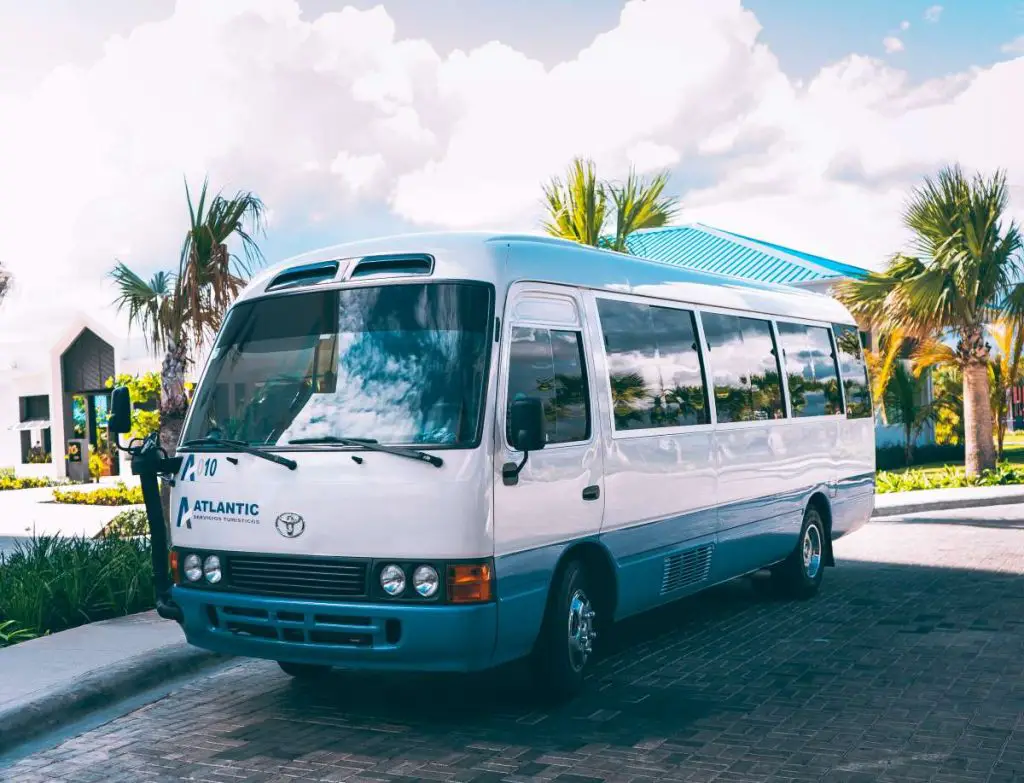
The resort you choose becomes part of the trip rhythm.
I have stayed in places where getting back felt easy, and I have had trips where the transportation setup made every park day feel a little harder than it needed to. After a full day in the parks, that stuff matters more than people think.
Prioritize the part that will make your days easier
If I know I will spend a lot of time at EPCOT and Hollywood Studios, I take Skyliner access seriously. If Magic Kingdom is the emotional center of the trip, I understand why people pay more for a monorail-area stay. If I am mostly trying to save money and maximize park time, I care less about theme and more about whether the hotel is efficient.
That is why I like comparing Disney World resorts with Skyliner access, best Disney hotels for Magic Kingdom, and resorts near Disney World with shuttle service. If I am flying in, I also want a plan for Orlando airport to Disney World.
Think about how you want to feel when you come back at night
This is the question I think people skip. Do you want the cheapest place to sleep because the parks are the whole point? Do you want a more comfortable room because your group needs downtime? Do you need more space, a suite, or easier access with kids?
I have found that there is no universally right answer. But there is usually an answer that fits your trip better than the others. That is where comparisons like affordable Disney resorts, the cheapest Disney World resort, best resorts for families, and how much are hotels become more useful than just staring at photos.
Decide early whether Lightning Lane fits your style
I think this is where a lot of Disney planning gets overcomplicated.
Lightning Lane can absolutely help, but not every trip needs the same approach. Sometimes it saves the day. Sometimes rope drop and good timing are enough.
The mistake is waiting until the last minute to think about it. If you know ahead of time that you care most about big attractions, then you can plan around that instead of scrambling in the moment.
Some parks reward Lightning Lane more than others
Hollywood Studios is usually where I feel the most pressure around headliners. Magic Kingdom is the park where Lightning Lane can help a lot simply because there is so much to do. Animal Kingdom can be more targeted. EPCOT depends a lot on what rides matter most to you.

To sort that out, I’d compare the general Lightning Lane system with more specific reads like is Lightning Lane worth it at Disney World, Lightning Lane Multi Pass, Lightning Lane Single Pass, and Lightning Lane vs rope drop.
Rope drop still matters more than many people realize
One of the most useful things I’ve learned is that your first two hours in the park shape the whole day. When I get to a park early with a plan, everything feels smoother after that. When I stroll in late and hope it works out, I usually pay for it in longer waits and more backtracking.
That is especially true if you want specific headliners, so I’d think through Magic Kingdom rope drop, Hollywood Studios rope drop, what time is rope drop at Animal Kingdom, and EPCOT rope drop and early entry strategy.
Build your park plan around priorities, not around doing everything
This is probably the biggest practical shift I have made with Disney trips.
I do not try to do everything anymore. I try to make sure I do the things that would actually disappoint me if I missed them.
That sounds simple, but it changes the whole mood of the day. Instead of constantly feeling behind, I know what matters most. If the lines get long or the weather changes, I can adjust without feeling like the day is ruined.
Pick your must-dos before you enter the park
For me, every park day goes better when I know the two or three things I care about most. At Magic Kingdom, that might be a specific ride and staying for nighttime atmosphere.

At EPCOT, it might be one big attraction, one favorite country, and a meal. At Animal Kingdom, it might be getting there early enough that the park still feels calm.
That is why I like looking over the rides at Disney World.
Check what is closed before you build a day around it
I have learned this one the hard way. A park can feel very different if one of its major rides is down for refurbishment. That is especially true if you only have one day in that park and built a lot of excitement around one headline attraction.
Before I finalize anything, I always like checking Disney World refurbishments and what rides are closed at Disney World, along with park-specific closure pages like EPCOT ride closures, Magic Kingdom ride closures, Animal Kingdom ride closures, and Hollywood Studios ride closures.
Make dining part of the plan, but not the whole plan
I like Disney food, but I do not think every trip needs to revolve around reservations.
Dining should support the kind of day you want, not dominate it. Some trips really benefit from one or two memorable meals. Other trips run better with flexible quick-service stops and early breakfasts.

The biggest food mistake I see is overbooking table-service meals in a short trip. It sounds relaxing in theory, but in practice it can eat into park time and create a rushed feeling when you are constantly moving toward the next reservation.
Decide whether dining is a priority or a convenience
If the meal itself is part of the experience for you, then reservations make sense. If your goal is rides and efficient park days, then simpler dining is usually the better move. I often prefer one special meal and the rest kept easy.
That is where guides like the best Disney World dining experience, the list of all the restaurants at Disney World, and the best restaurants near Disney World that are off property can help you avoid either overplanning or underplanning.
Plan breakfast more carefully than people expect
Breakfast quietly affects the entire morning. If I am trying to rope drop a park, I want breakfast to be fast and predictable. If I book a character breakfast, I know I am trading ride time for a more leisurely start.
That tradeoff can be worth it, but I like making it deliberately. Helpful reads here include best breakfast for rope drop at Disney World, cheap Disney World breakfast, breakfast in Disney World, and best Disney World character meals.
Plan for the practical stuff that trips people up
This is the part of planning that is not glamorous, but it makes a huge difference once the trip begins.
Small logistical issues become big annoyances inside Disney if you have not thought about them ahead of time.
I always feel better when I’ve already handled the basics like transportation, stroller needs, bags, weather, and how tickets are linked in the app. It means fewer little surprises at the gate or in the middle of the day.
Pack for weather, walking, and afternoon changes
Florida can shift fast. Heat, rain, and humidity can make a well-planned day feel much harder if you are dressed wrong or carrying the wrong things. I think packing for Disney is less about bringing more and more about bringing the right items.
That is where a packing list for a Disney vacation and the more detailed ultimate Disney World packing list come in handy, especially if you are also watching for storm season with something like Disney World tropical storm.
Know the rules before you show up
I do not think most guests need to obsess over park policies, but it is smart to check the ones that apply to your group. That is especially true for bags, strollers, outside food, medication, and accessibility.
The most useful policy reads for planning tend to be the bag policy, Disney World outside food policy, stroller policy, Disney approved strollers, and disability access pass Disney World.
Make sure your tech is set up before travel day
This is one of those boring steps that saves a lot of stress. I like having tickets linked, the app updated, and any extras figured out before I’m at the airport or standing at the front gate.
If you need help there, look at how to link ticket to My Disney Experience, how to use Disney World tickets on app, are MagicBands worth it, and is Memory Maker worth it.
My simple step-by-step Disney World planning order
When I am planning a Disney trip for myself, this is the order that actually helps me.
It is simple, but it keeps me from getting distracted by little details too early.

First, I pick dates based on the kind of crowds and weather I am willing to deal with.
Second, I decide what kind of trip it is really going to be, which usually means choosing between a more intense park trip or a more relaxed vacation pace.
Third, I set a budget before I start clicking around at hotels and extras.
Fourth, I figure out how many park days I honestly need.
Fifth, I choose the hotel based on transportation and how I want the trip to feel when I wake up and when I get back at night.
Sixth, I buy the ticket type that matches the trip instead of paying for flexibility I may not use.
Seventh, I decide whether Lightning Lane is worth it for my priorities.
Eighth, I choose my must-dos in each park so the days have shape without feeling overplanned.
Ninth, I add dining only where it really improves the trip.
Tenth, I handle the boring but important stuff like packing, app setup, and transportation before travel day.
That order feels much more human to me than trying to solve Disney like a puzzle. It keeps the trip grounded in what will actually make the vacation smoother and more enjoyable.
Final thoughts on planning a Disney World trip
The best Disney trips I have had were not the ones where I tried to optimize every second.
They were the ones where I knew what mattered most, built around that, and left enough room for the day to breathe. That is what makes the parks feel fun instead of draining.
For me, good Disney planning is really about reducing the predictable stress.
I want fewer avoidable mistakes, fewer long waits caused by bad timing, fewer meals that break up the day in a frustrating way, and fewer nights where I realize I built an itinerary for an imaginary superhuman version of myself.
If I were helping a friend plan from scratch, I would tell them to stop trying to master every Disney detail all at once.
Pick your dates carefully. Choose the right hotel for how you want to move around. Buy the ticket type that fits your real plans. Have a short list of must-dos in each park. Then let the trip be a trip.
If you want to compare current official tools, offers, and trip-planning basics straight from Disney, I’d still check the Walt Disney World official site once during the planning process, especially before you pay for tickets or book a resort.