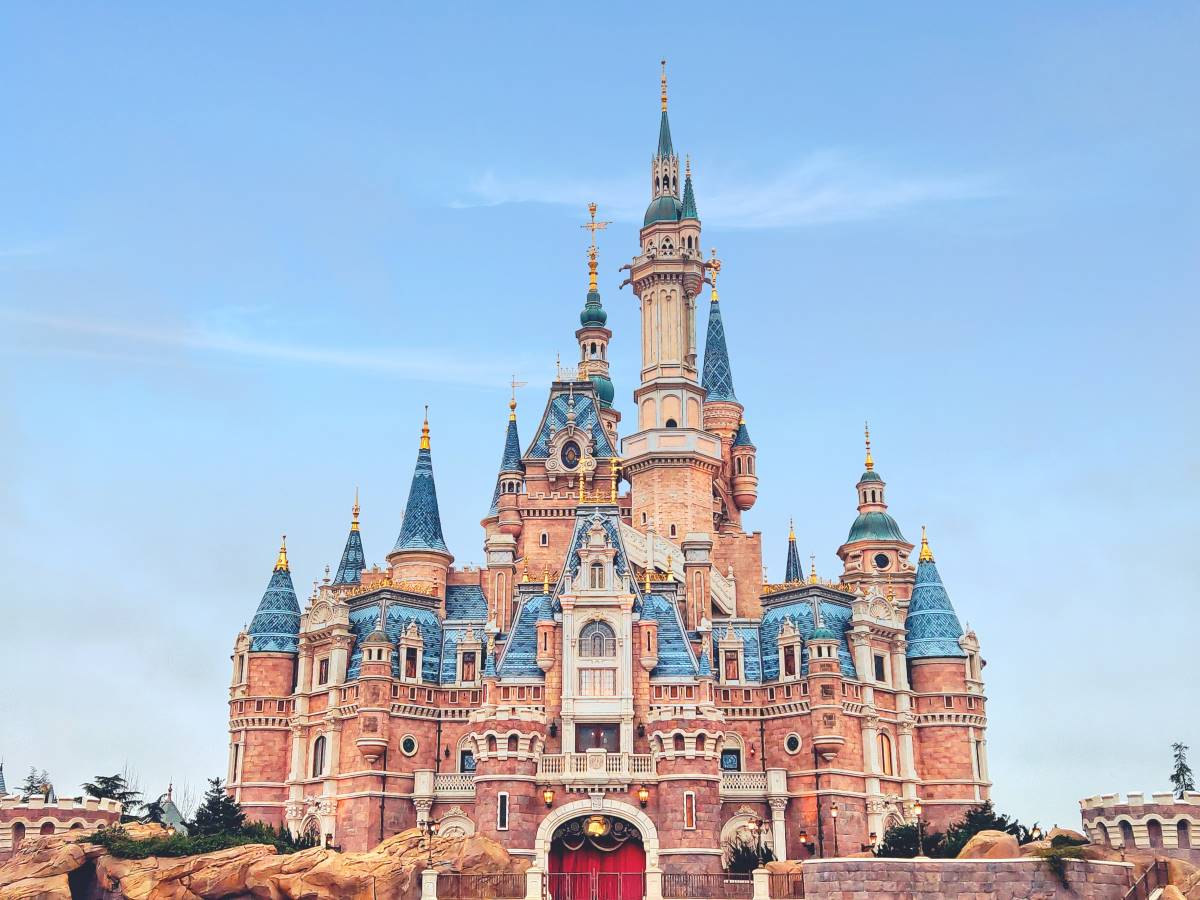
Disney’s published rules do not ban ordinary personal filming as a category. You can generally record vacation footage with permitted equipment, but filming can be stopped when it becomes an unapproved commercial activity, conflicts with an attraction-specific rule, obstructs operations or relies on prohibited gear.
That is why a blanket “yes, filming is allowed” is incomplete. A phone can be fine on Main Street, U.S.A. and still need to be put away on a particular attraction. A small camera can enter the park while the production planned around it requires Disney’s approval.
Three questions decide whether the camera keeps rolling
- What is the recording for? Disney prohibits photography, video and recording for unapproved commercial purposes.
- Where are you filming? Attractions, shows and restricted areas can have rules that are more specific than the resort-wide policy.
- How are you doing it? Unsafe or obstructive behavior and certain equipment can make an otherwise ordinary vacation recording a problem.
Disney’s current Walt Disney World Resort Property Rules support those distinctions. They focus on commercial purpose, safety, operations, access and equipment. They do not divide cameras into a simple amateur-versus-professional price bracket.
A vacation video and a production are not the same project
Personal vacation clips recorded without disrupting anyone sit on the safer side of Disney’s published rule. Phones, ordinary cameras and action cameras are not named as prohibited items simply because they can record video. The device still has to comply with the property rules, and permission to carry it does not create permission to use it everywhere.
This article is about what you can film once inside. Our separate Disney World camera policy covers the equipment question, including cameras, lenses, tripods and other accessories.
A personal YouTube vlog is not described in Disney’s rules as automatically forbidden. The rule instead prohibits recording for an unapproved commercial purpose. Disney does not publish a subscriber count, view threshold or dollar amount that turns a vlog into a commercial shoot.
If the footage is being created for a client, sponsor, advertisement, paid production or organized shoot, do not assume park admission is production approval. Contact Disney before filming. A small camera does not make a commercial project personal, just as an expensive camera does not by itself make family footage commercial.
On a ride, the attraction’s instruction wins
Disney’s resort-wide rules say access to attractions depends on the safety rules for each attraction. They do not provide a single public ride-by-ride promise that recording is allowed. Posted signs, boarding announcements and Cast Member instructions are therefore the current answer at the attraction.
Do not rely on a shortcut such as “dark rides allow cameras” or “only roller coasters prohibit them.” A slow attraction can restrict video, photography or flash for reasons unrelated to speed. A faster ride may require every loose item to be secured even when the camera was permitted through the park entrance.
The same distinction applies to a GoPro. An action camera that complies with the entrance rules is not automatically approved for every ride or every mount. A body or chest mount should not be treated as a resort-wide filming pass. Ask at the attraction entrance before boarding if the instruction is not clear, and put the device away if directed.
Livestreaming has no separate blanket permission
Disney’s public property rules do not list livestreaming as its own permitted activity. A livestream is still recording, so the same commercial-purpose, safety, access and obstruction rules apply. Going live does not override a no-recording instruction on an attraction or inside a show.
A streamer should remain out of walkways, queues, entrances and loading areas, and should never enter backstage or Cast Member-only space for a shot. Disney expressly prohibits obstructing common passageways, unsafe acts that may impede resort operations and unauthorized entry into backstage areas.
The safest reading is not “Disney allows every livestream.” It is that a quiet personal stream may remain within the general rules until its purpose, location or execution crosses one of Disney’s published limits.
Pack for the equipment rule Disney actually publishes
Selfie sticks and extension poles: Selfie sticks and hand-held extension poles for cameras or mobile devices are not allowed in the theme parks or water parks. Collapsing one before entry does not create a published exception.
Tripods and monopods: A stand is not allowed if it cannot fit inside a standard backpack or if it extends over 6 feet. Both parts matter. The restriction applies in the theme parks, water parks, Disney Springs and ESPN Wide World of Sports Complex.
Drones: Disney lists drones among its prohibited recreational devices. A Disney-produced drone show does not create permission for a guest to launch one.
Gimbals, lights and microphones: The public rules do not give every accessory in these categories a precise size limit. An accessory that functions as a prohibited extension pole, obstructs a route, impedes operations or is considered harmful or disruptive can still be refused. That is more accurate than treating every small gimbal as approved or every external microphone as banned.
For the wider list of property restrictions, use our current Disney World park rules before packing.
When a Cast Member ends the shot
Stop recording and follow the instruction. Disney reserves the right to prohibit an item it considers harmful or disruptive and can deny admission, prevent entry or require a guest to leave for failure to follow its rules.
If you are uncertain about an attraction, performance, character location or other controlled space, ask before the camera starts. The durable way to understand the Disney World filming policy is that permission belongs to a particular use in a particular place, not to the camera itself.