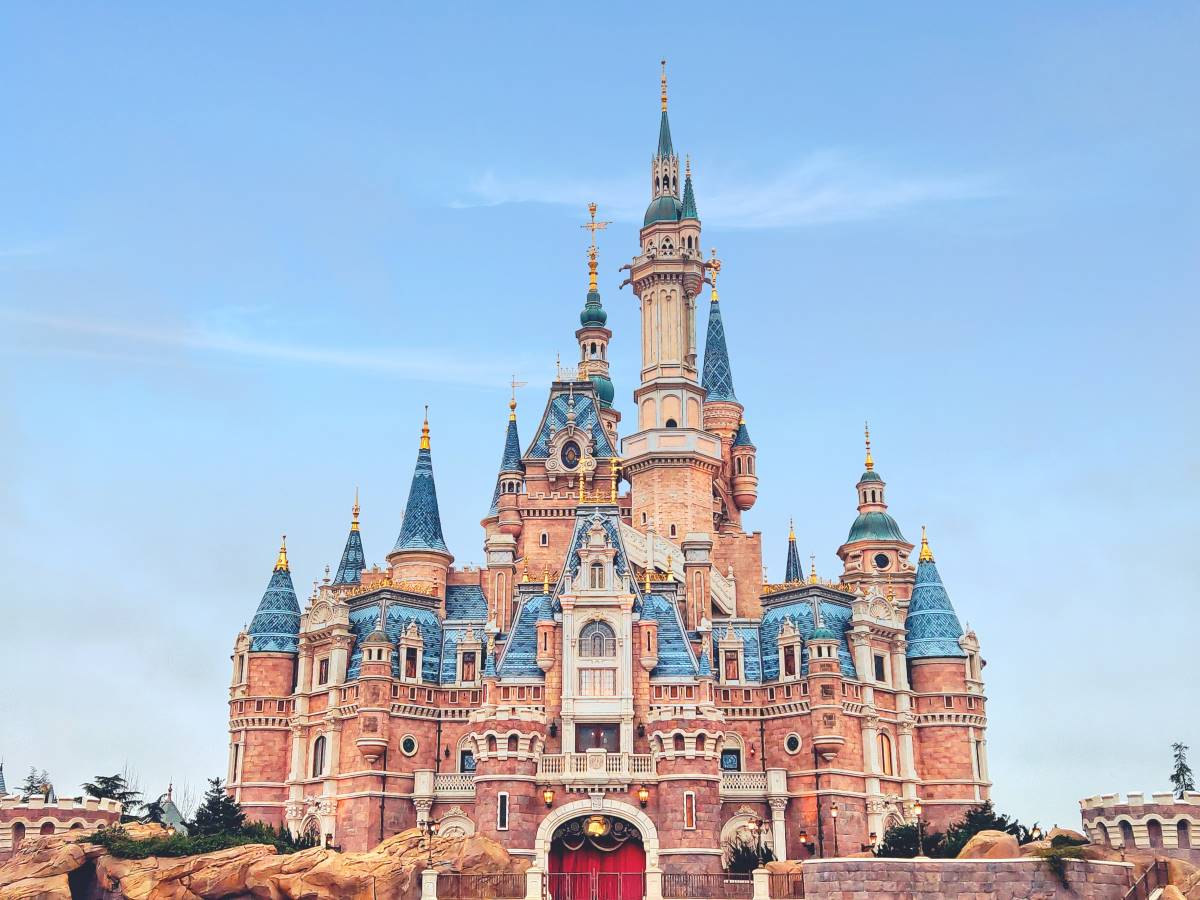
I’ve lost count of how many times I’ve ended up standing in a Disney hub area with a coffee in my hand, watching the crowd flow toward the castle like it’s a compass point. When people ask me about Disney castle secrets, they usually mean hidden rooms and backstage stories. Some of that is real, but the stuff that actually changes your day is often hiding in plain sight: the way the castle is built to control your sightlines, the way it’s staged for photos, and the way it quietly manages thousands of people without feeling chaotic.
This post is written for adults who like details and want to notice what most guests walk right past. I’m not trying to ruin anyone’s experience. I’m trying to help you see the parks more clearly, take better photos, and have a smarter plan for when it gets busy.
If you want the bigger picture first, I keep a running guide to Disney castles around the world that helps you compare what’s similar (and what’s totally different) from park to park.
Key Points
- Arrive early or stay late if you want the castle to feel calm and photo-friendly, because the hub becomes a human river by mid-morning.
- Watch the castle from multiple distances, because forced perspective only makes sense when you step back and then walk in.
- If you care about nighttime shows, pick your viewing spot before showtime, because the best sightlines disappear fast.
Disney castle secrets I’ve actually noticed up close
Before we get into the five secrets, here’s the mindset shift that makes this fun: treat the castle like an engineered set, not just a landmark. The details are designed to guide your attention, shape your photos, and keep the crowd moving. When you start looking for those design choices, you’ll notice the same patterns across parks, even though each castle has its own personality.
If you like the lore side, this is where it helps to skim my Disney castles history overview first, because a lot of the “secrets” are really design traditions that got refined over decades.
Secret 1: The castles are built to look taller than they are
This is the first thing I point out to friends because you can feel it once you know what to look for. The castle gets more impressive as you approach, but it doesn’t do that purely through height. It does it through proportion.
Here’s what I notice in real life:
- The lower sections are visually heavier and more detailed, which anchors your eye.
- Upper windows and stones tend to be smaller, nudging your brain into reading the top as farther away.
- Spires and turrets “stack” your attention upward so you keep scanning higher than you would on a normal building.
If you’re the type who likes numbers and comparisons, the easiest way to see this in context is to look at my Disney castles height comparison side by side, then come back to the parks and notice how similar the illusion feels even when the measurements differ.
This is also why the Sleeping Beauty vs Cinderella Castle debate is so interesting in person. Sleeping Beauty Castle feels more intimate and detailed up close, while Cinderella Castle can feel like it’s pulling you into a bigger “theater” space.
Secret 2: Your best castle photos are mostly about crowd timing, not gear
People assume you need a better camera. In the parks, the bigger issue is that the hub area becomes crowded and visually noisy. The sound changes too: more strollers, more chatter, more cast members directing traffic, more footsteps. That atmosphere is real, but it’s not always what you want in a photo.
The two windows I’ve found most reliable:
- Early morning, when the light is cleaner and the hub hasn’t filled in yet.
- Late evening after the last show, when people drift out and the castle lighting becomes the main subject.
If you want a practical, location-by-location rundown, I keep a guide to Cinderella Castle photo spots that focuses on angles, where people tend to stop, and which viewpoints stay usable even on busier days.
One more subtle thing: don’t just shoot straight-on from the center. The center shot is classic, but it’s also where the crowd stacks up. If you drift slightly off-axis (a little left or right), you usually get cleaner lines and fewer heads in your frame.
Secret 3: The “hidden suite” is real, but you can’t book it like a normal hotel
This is one of the most famous castle secrets because it sounds like a rumor until you’ve heard it from enough park fans. Cinderella Castle has a suite, but it’s not a typical hotel room you can reserve on a vacation package. It’s more of a special-use space, and from what I’ve seen over the years, it’s usually connected to rare giveaways or very specific occasions.
That’s why the question people always ask is some version of how much is it to stay in Cinderella’s Castle. The honest answer is: it’s not a normal “price it and book it” situation, so planning your trip around it is a guaranteed frustration.
If you want to keep your planning grounded, I recommend using the official Walt Disney World site for the stuff you actually can control (tickets, park hours, and official announcements) and treating the suite as a fun piece of trivia, not a goal.
Secret 4: A lot of what keeps the hub feeling clean happens backstage
This is the secret you can sense without ever seeing it. The castle area is one of the most photographed places in the park, which means Disney has a strong incentive to keep sightlines clean. That’s why you’ll notice fewer random carts, fewer obvious trash piles, and fewer “where do we put this?” moments than you’d expect in a place with that many people.
At Magic Kingdom specifically, there’s a deeper layer to this: the utilidor system beneath the park. You won’t tour it on a regular day, but you can feel the effect. It reduces the number of service movements that would otherwise slice through guest areas, especially around the hub.
The practical takeaway for your day is simple: if you’re watching a parade, waiting for a show, or trying to take photos, you’ll often see cast members encouraging flow rather than letting people bunch up in the middle. If you work with that flow instead of fighting it, you’ll have a calmer experience.
If you’re into the behind-the-scenes side, this pairs nicely with a broader Disney castle facts page, because it helps separate what’s structural, what’s operational, and what’s just a persistent internet myth.
Secret 5: Nighttime shows reveal the “theater design” of the castle area
In daylight, the hub feels like a plaza. At night, it feels like a venue. That’s not an accident.
Once you’ve watched a few castle shows from different positions, you start noticing the invisible structure:
- The best views aren’t always the closest, because closer can mean more neck craning and more blocked projections.
- Sound is not uniform; there are pockets where it feels clearer and more balanced.
- The crowd behavior changes dramatically 30–45 minutes before showtime, especially on popular nights.
If you want a planning-focused guide, I keep a page on Disney castle nighttime shows that’s more about strategy than hype: where to stand, when to arrive, and what tradeoffs you’re making based on your view.
This is also where ranking conversations start to make sense. A Disney castles ranked list can feel subjective until you factor in how the castle performs as a nighttime centerpiece, not just how it looks at noon.
Five interesting secrets, framed as what to look for on your next visit
I wanted to give you five concrete things you can spot without needing a tour, a special event, or insider access. Here’s the quick “spot it in real life” checklist version.
1) Step back and watch the forced perspective work
Pick a spot farther back in the hub and look at the upper levels, then walk in and look again. The castle changes as you move, and that’s the whole point. If you want a fun comparison day, do it at two different parks on the same trip (if you’re traveling) and see how the illusion is tuned differently.
2) Look for where Disney wants you to stand
This sounds obvious, but it’s surprisingly helpful: the park is quietly telling you where to pause. Those spots are usually where the view is widest, the castle reads best, and the photo composition works even if you’re not thinking like a photographer.
3) Notice how little “maintenance” you actually see
Castles are huge, detailed structures in full sun and rain, with nonstop guests. And yet they rarely look tired up close. Some of that is constant touch-up work, but a lot of it is about good materials, smart paint choices, and tight operations.
4) Watch the hub become a crowd-management machine
If you sit for ten minutes and just watch, you’ll see patterns: where people stop, where traffic jams form, where cast members intervene, and where the flow stays smooth. Once you see it, you can position yourself more intelligently for photos and shows.
5) Pay attention to the “inspiration” layer
Some castle details are meant to feel historically believable, even though the whole building is a theme park icon. If you enjoy that side, it’s worth reading about the castles that inspired Disney castles before your trip. Then, in the park, you’ll catch those medieval and fairy-tale cues in the stonework, spires, and silhouette.
How I use these castle details to plan a better park day
Knowing the secrets is fun, but the real value is using them to make the day smoother.
First, I plan my castle time like a mini-itinerary. I’ll do one morning pass for photos and atmosphere, then I’ll come back later for the show vibe. That keeps me from getting stuck in the busiest hub moment and feeling like I’m forcing the experience.
Second, I pick one “comparison lens” for the trip. Sometimes it’s history, sometimes it’s architecture, sometimes it’s just the vibe. On trips where I’m castle-obsessed, I’ll bounce between my Disney castles history deep dive and my guide to Disney castles around the world so I’m noticing the differences instead of treating every hub like the same photo.
Third, I keep expectations realistic. The internet loves big claims about hidden doors, secret tunnels, and exclusive rooms. Some of that is true in spirit, but most of what you can actually use as a visitor is simpler: crowd timing, sightlines, and understanding what the castle area is designed to do.
If you want to go even deeper, comparing how each park treats its castle as a centerpiece is where the obsession gets fun. The scale differences, the show setup, and even the way the hub is shaped can make one park feel dramatically calmer than another.