I have learned the hard way that Magic Kingdom height requirements can shape your whole day, especially if you are traveling with a mixed group of adults, teens, and kids who are right on the edge of a few big rides.
The first time I visited with friends who also had little ones in the group, we spent more time negotiating what we could ride than actually riding. Since then, I have gotten very intentional about checking heights before we even leave the hotel, and it has made the day feel smoother, calmer, and honestly more fun for the adults too.
The biggest surprise for most first timers is that height checks are not only about thrill rides. A couple of popular attractions that look tame from the outside still have minimums, and the cast members do not bend the rules.
You can usually hear the ambient sounds from the ride area while you are waiting, smell popcorn and sunscreen mixed together, and feel the energy of people power walking with purpose. That atmosphere is great, but it can also make a short kid feel extra disappointed if you discover a restriction at the entrance.
If you want a quick overview of what to expect across the park, I like starting with this general guide to Magic Kingdom and then keeping a simple plan in my notes app for the must-dos.
Key Points
- Measure at home and again in the morning, then build your plan around the few rides that will be most disappointing to miss.
- Do height-check first during the first hour of the day, before the lines and emotions get bigger.
- Use adult swap strategically so the grown-ups still get the thrills without splitting the group all day.
Magic Kingdom height requirements: what I check before we leave the hotel
I treat height planning like packing. If I wait until we are already inside the park, I end up making choices under pressure. What works better is doing a quick height check before breakfast, then deciding which lands we will prioritize.
Actual minimum height requirements (inches and cm)
These are the minimum heights for the attractions in this park that have a cutoff. I keep this list in my notes app and I check it again the morning of our visit because requirements can change.
- Tomorrowland Speedway: 32 in (82 cm) to ride. 54 in (137 cm) to drive alone.
- The Barnstormer: 35 in (89 cm)
- Seven Dwarfs Mine Train: 38 in (97 cm)
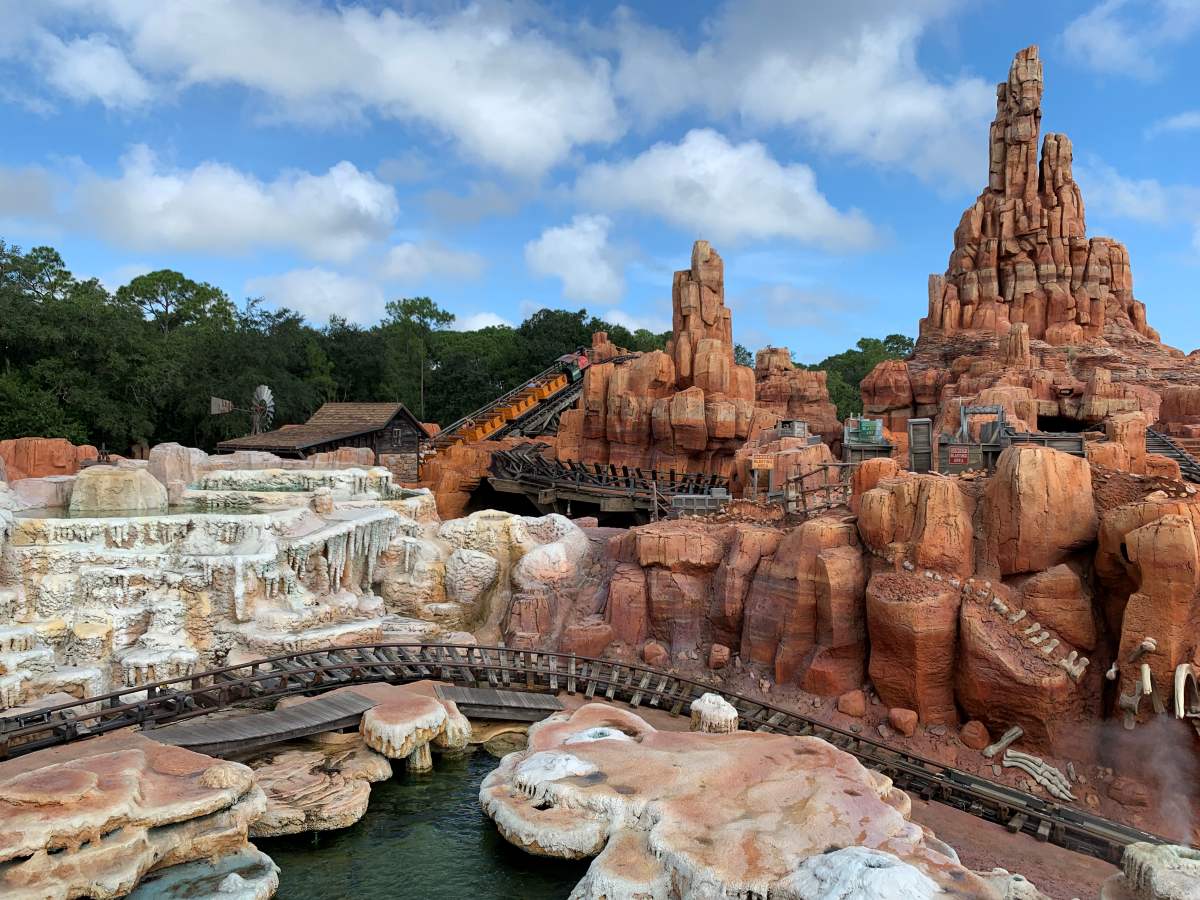
- Big Thunder Mountain Railroad: 40 in (102 cm)
- Tiana’s Bayou Adventure: 40 in (102 cm)
- Space Mountain: 44 in (113 cm)
- TRON Lightcycle / Run: 48 in (122 cm)
- Everything else in the park: no minimum height
If someone is within about half an inch of the cutoff, I treat it as a toss-up until we check the height marker at the ride entrance. On a busy day, that one small check can save a long wait and a lot of disappointment.
Measure smart, not once
I measure kids at home with shoes they will actually wear in the park. Then I do a quick re-check in the morning because kids stand differently when they are sleepy, excited, or trying to “stretch” to make the cut. If someone is close, I plan the day so we try that ride early when they are freshest.
Make a simple ride tier list
I like to group rides into three buckets.
- Must ride for adults
- Must ride for kids
- Nice if we have time
If you want to see everything in one place, the most useful reference is this list of all the rides at Magic Kingdom. It helps you spot which attractions might surprise you with restrictions.
Pick your first land based on the biggest “maybe” ride
If you have one kid who is right at the limit for a headliner, start there. It saves you from spending the whole day hyping a ride that ends up being a no. That early momentum matters because by mid-day, the heat and crowds get louder, the walkways feel tighter, and patience gets thinner.
If you are planning an efficient morning, I would also skim this rope drop game plan because the first hour is your best shot at testing height-restricted rides with less waiting.
The height checkpoints that actually matter in the park
I have noticed that the most stressful moments usually happen at the ride entrance, not at the ride itself. The queue can feel like a commitment, and it is tough to bail once you are already in line.
Use the test measurement stations
Many attractions have a height marker outside the entrance. I always use it before scanning in. It is a quick reality check, and it prevents the “we already waited 20 minutes” frustration.
Watch for the subtle cast member cues
Cast members are friendly, but they are also consistent. If you see them gently guiding families toward the height stick before letting them into the line, take that as your sign to check immediately. It is not personal. It is safety.
Know where disappointment hits hardest
The toughest restrictions are the ones tied to the rides with the biggest hype. If your group is chasing adrenaline, you will want to look at the thrill rides guide and the roundup of scariest rides so you can set expectations early.
How I plan the day so adults still get the good rides
When you are traveling with a mixed group, the adults can end up quietly sacrificing the rides they wanted most. It does not have to be that way, as long as you plan for it.
Use adult swap like a pro
If your group has a child who cannot ride, adult swap lets one adult wait with them while the others ride, then switch without everyone re-queuing. The key is to choose your swap rides carefully so you are not zigzagging across the park.
This is where a strategy guide helps. I like pairing adult swap with a smart queue plan from the Lightning Lane strategy and the broader Genie Plus strategy so the adults do not lose an hour every time.
Keep the non-riders busy in the same area
While adults ride something height-restricted, I aim to keep the rest of the group entertained nearby. That might mean grabbing a snack, people watching in the shade, or picking a nearby attraction with no minimums.
If you are traveling with younger kids and want a calmer ride list, this guide to rides for toddlers is a good anchor.
Plan a realistic adult-focused block
I like to carve out one window where the adults get to do their top picks back-to-back. Usually that is late morning before lunch, or later at night when the park lighting changes and the vibe gets calmer. You can feel the difference: the music is still upbeat, but the crowds spread out, and the wait times sometimes drop.
For inspiration, I often reference rides for adults and then decide what fits our group.
Timing tips that make height restrictions less stressful
Timing is not just about shorter waits. It is also about emotions. If someone gets turned away at 9:15 am, it usually stings, but the day can still rebound fast. If that happens at 2:30 pm after heat, hunger, and overstimulation, it can derail the rest of the afternoon.
When I am traveling with anyone who is close to a height cutoff, I plan the first 60 to 90 minutes after park opening as my low-stress “decision window.” The walkways still feel roomy, the background music is upbeat instead of frantic, and your group has more patience for a quick pivot. If you are staying on-site and using early entry, even better. Do your height-sensitive checks during that first chunk of time while the park still feels calm.
Do the “borderline” rides early
If someone is right at the cutoff, I do not gamble by waiting until later. I go straight to the attraction, check the height marker outside the entrance, and decide before we scan in.
Here is my exact routine:
- Bathroom first. A kid who has to pee halfway through a line will stand shorter, not taller.
- Shoes on, fully tightened, the same way they will wear them all day.
- Quick height-marker check outside the entrance. If they clearly do not make it, we pivot immediately and save the emotional energy.
- If they do make it, we ride right then. I avoid leaving it for later because tired posture is real.
One small detail I have noticed: if a kid is close, cast members will often re-check at a second point closer to boarding. That means “barely” passing once is not a guarantee. I tell kids ahead of time, in plain language, that we are going to check first and that it is okay if it is a no. That simple framing helps a lot.
To get specific about when lines are usually manageable, I use the guides on ride times and the best time to ride attractions. Those are the two pages I check when I am trying to build a smart order.
Avoid stacking long queues back-to-back
The day can snowball if you do two long waits in a row. I have watched it happen: adults get quiet and irritated, kids stop listening, and suddenly you are making decisions just to survive instead of enjoying the park.
What works better for me is an intentional rhythm:
- One longer, high-priority queue
- Then something short or relaxing nearby
- Then food or an indoor reset
- Then another longer queue
That reset can be a snack, a slower attraction, or even 10 minutes sitting in the shade with water. It sounds small, but it keeps everyone regulated enough to handle the next height check without a meltdown.
If you want to see which lines tend to be the worst, look at this breakdown of the longest lines at Magic Kingdom. I use it like a warning label. If one of those is on my must-do list, I either hit it early, aim for late evening, or plan a real break right after.
Have a rain plan
When it rains, families rush for indoor attractions and covered queues, and that can shuffle the crowd patterns fast. A light drizzle is one thing, but heavy rain can also trigger temporary closures for certain rides, so I plan for flexibility.
My practical rain setup looks like this:
- Ponchos or a lightweight rain jacket already in the bag, not buried
- A dry “backup” pair of socks in a zip bag if the day looks wet
- A quick list of indoor priorities so we are not debating in the rain
Here is the strategy piece: if it is just light rain, I sometimes do an outdoor attraction while other guests run indoors. If it is heavy rain, I commit to indoor options until it passes and then watch for that post-rain dip, when a lot of people are still huddled under cover and lines can briefly improve.
If rain is in the forecast, I keep a list of rainy day rides ready so the day does not fall apart.
Common mistakes I see families make with height limits
It is easy to assume you will just “figure it out” once you arrive. But in this park, little missteps can turn into big time losses.
Not checking closures before committing to a plan
If a ride that your kid is tall enough for is closed, you may end up pivoting to a backup that has a higher minimum. I always scan the latest info on ride closures before we head out.
Underestimating how much walking eats time
If you are crisscrossing the park to chase different height tiers, you will feel it by mid-day. The pavement radiates heat, your feet start to drag, and suddenly the group is cranky. Planning by land helps.
A realistic one day itinerary can keep you from accidentally building a plan that looks good on paper but is miserable in practice.
Forgetting the logistics outside the gates
If you are running late because transportation took longer than expected, you lose that early low-stress window. I like to review parking for Magic Kingdom so the morning starts smooth.
Food and breaks: my secret weapon for a better height day
Food is not just fuel. It is a reset button.
Start with a real breakfast
If your group is deciding between big rides, you want everyone fed first. A calm breakfast makes it easier to handle the first disappointment if a kid misses a height requirement by half an inch. I usually plan breakfast options using this guide to breakfast in the park and then keep a backup snack plan.
For a broader overview, it helps to browse the restaurants at Magic Kingdom so you can find something near your next land.
Build in a quiet moment on purpose
The park can get loud, especially in the afternoon. Between music loops, stroller traffic, and the constant announcements, kids can get overwhelmed. I plan one low-key break where we sit, hydrate, and reset expectations.
A quick note if you are also researching Disneyland
A lot of families I talk to are comparing trips, and I get it. The planning brain does not turn off. If you are thinking about the West Coast too, start with this Disneyland guide and then check the official site at Disneyland’s homepage for current park details.
I also like keeping an eye on specific land updates, because they can shift what is worth prioritizing. If you are curious about what is changing in one corner of the park, this page on Frontierland updates is an easy read.
And if you have someone in your group who is a Tangled fan, it is worth knowing where to spot her without wasting time wandering. Here is my quick guide for Rapunzel in the park.
Final checklist I use the night before
I like to end planning with a simple, confidence-building checklist. It keeps the morning calmer.
- Measure everyone and write it down
- Identify the 2 to 3 rides where height matters most
- Plan rope drop around the biggest “maybe”
- Save your adult swap rides for a focused block
- Check closures and weather
- Decide where you will eat and where you will take a break
If you want an extra planning shortcut, I also find it helpful to map out how we will get between parks, especially if we are hopping. This guide on EPCOT to Magic Kingdom can save you a lot of time if your trip includes more than one park day.